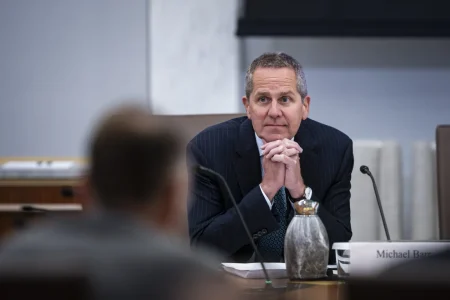





A new government taskforce has been launched to help unlock approximately £1 billion in small business lending across the United Kingdom. According to The Times, the initiative aims to improve access to finance for small and medium-sized enterprises that have struggled to secure traditional bank funding. The taskforce seeks to address long-standing barriers that have prevented smaller firms from obtaining the capital they need to grow and expand their operations.
The initiative brings together representatives from government, financial institutions, and business groups to identify solutions for improving small business lending. The taskforce will focus on streamlining application processes and exploring alternative financing methods that could benefit enterprises currently underserved by conventional banking channels.
Addressing the Small Business Lending Gap
Small businesses have historically faced significant challenges when attempting to secure loans from traditional lenders. Banks often view smaller enterprises as higher-risk borrowers, leading to stricter lending criteria and higher rejection rates. This financing gap has been a persistent issue for entrepreneurs and business owners seeking capital for expansion, equipment purchases, or working capital needs.
The £1 billion target represents a substantial injection of potential funding into the small business sector. However, authorities have not confirmed specific timelines for when businesses might begin seeing increased access to these funds. The taskforce will need to develop concrete recommendations and implementation strategies before meaningful changes take effect.
Alternative Financing Solutions
In addition to traditional bank lending, the taskforce is expected to examine alternative financing options for small enterprises. These may include peer-to-peer lending platforms, crowdfunding mechanisms, and government-backed loan guarantee schemes. Such alternatives have gained popularity in recent years as businesses seek diverse funding sources beyond conventional banks.
Meanwhile, digital lending platforms and fintech companies have emerged as important players in the small business finance landscape. These technology-driven lenders often use different risk assessment models compared to traditional banks, potentially opening doors for businesses that might otherwise be declined. The taskforce may explore how to integrate these newer financing channels into a broader strategy for improving capital access.
Economic Implications for UK Businesses
Improved access to small business lending could have significant ripple effects throughout the UK economy. Small and medium-sized enterprises account for a substantial portion of employment and economic activity nationwide. When these businesses can secure necessary funding, they are better positioned to hire staff, invest in innovation, and contribute to economic growth.
Additionally, the initiative comes at a critical time when many small businesses continue to face economic uncertainty. Rising costs, supply chain disruptions, and changing consumer behaviors have created challenging conditions for smaller firms. Access to affordable financing can provide a crucial lifeline for businesses navigating these complex market conditions.
Stakeholder Collaboration
The taskforce structure emphasizes collaboration between public and private sector stakeholders. This partnership approach recognizes that solving the small business lending challenge requires input from multiple perspectives. Financial institutions bring expertise in risk management and lending operations, while government representatives can help identify regulatory barriers and policy solutions.
In contrast to previous efforts that focused solely on regulatory changes, this taskforce appears designed to take a more comprehensive approach. By bringing together diverse stakeholders, the initiative aims to address systemic issues rather than implementing isolated fixes.
The taskforce is expected to publish its initial findings and recommendations in the coming months, though specific deadlines have not been publicly announced. Businesses and industry observers will be watching closely to see whether the initiative can deliver on its promise to unlock significant new lending capacity for small enterprises across the country.