



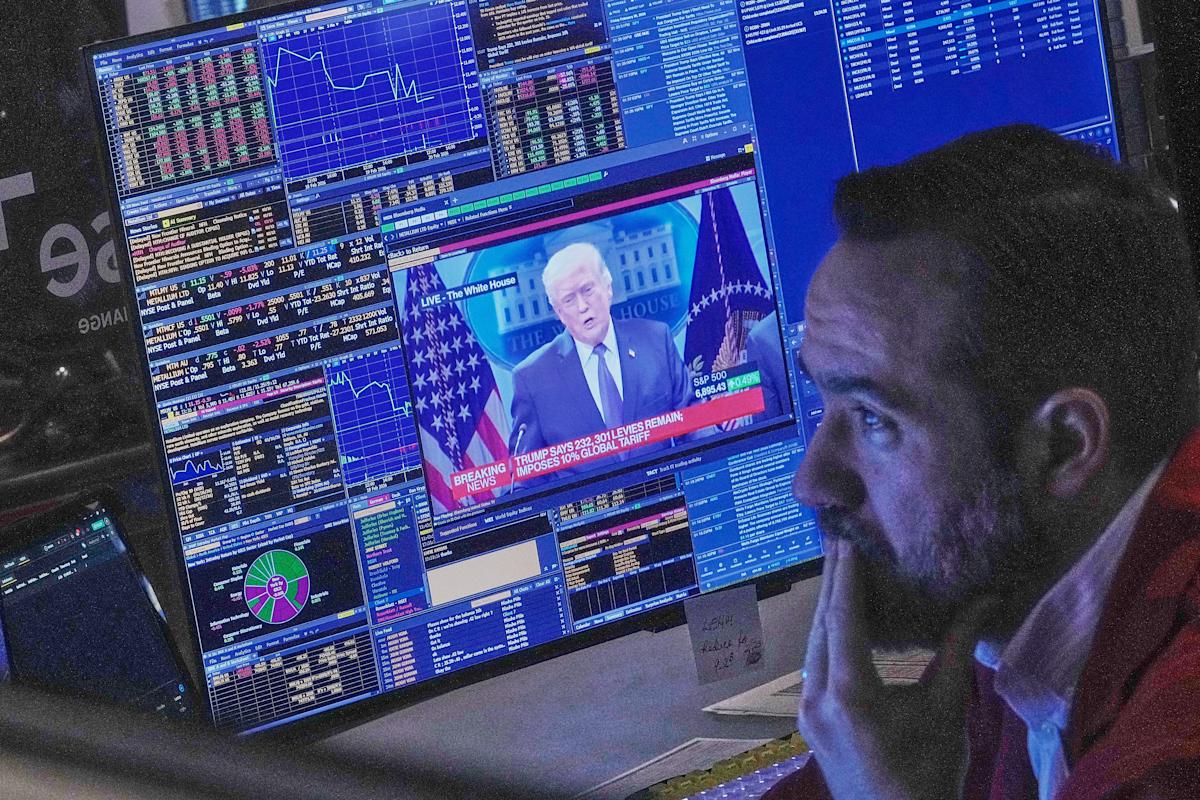
President Donald Trump expressed willingness to negotiate with Iran on Tuesday night, emphasizing that any agreement would require Tehran to pledge never to develop nuclear weapons. The comments came as tensions between the two nations continue to escalate, with significant implications for global energy markets and the Iran nuclear deal prospects. Trump stated that while diplomacy remains his preference, he would not permit what he described as the world’s leading state sponsor of terrorism to obtain nuclear capabilities.
During his State of the Union address, Trump outlined his concerns about Iran’s ballistic missile program and military capabilities. He cited Iran’s ability to deploy missiles capable of reaching Europe and ongoing efforts to develop weapons with intercontinental range as critical national security threats facing the United States.
Iranian Foreign Minister Responds to Nuclear Weapon Concerns
Iranian Foreign Minister Abbas Araghchi responded directly to Trump’s demands through a post on X on Tuesday. According to Araghchi, Iran will under no circumstances ever develop a nuclear weapon, reaffirming the country’s position on nuclear capabilities.
The foreign minister clarified Iran’s stance on peaceful nuclear technology in his statement. He emphasized that while Iran categorically rejects developing nuclear weapons based on fundamental convictions, the country will not relinquish its right to utilize peaceful nuclear technology for its population.
Oil Markets React to Diplomatic Tensions
Crude oil futures showed modest movement in response to the escalating rhetoric between Washington and Tehran. West Texas Intermediate and Brent crude futures both increased approximately 0.7% earlier in the day before stabilizing through the evening trading session.
Energy market observers are closely monitoring the situation due to potential disruptions to global oil supplies. The Strait of Hormuz, a critical shipping chokepoint largely controlled by Iran, remains a focal point of concern as it serves as a vital passage for international oil trade.
Military Buildup in the Gulf Region
The United States has significantly increased its military presence in the Gulf region over recent weeks. According to reports, the deployment includes two aircraft carriers and represents the largest concentration of air power in the area since the 2003 invasion of Iraq.
This substantial military buildup underscores the seriousness with which the administration views the current standoff. However, Trump has repeatedly indicated that diplomatic solutions remain preferable to military intervention in resolving the nuclear deal dispute.
Upcoming Geneva Negotiations May Determine Path Forward
US Special Envoy Steve Witkoff and Jared Kushner, the president’s son-in-law, are scheduled to meet with Iranian counterparts in Geneva on Thursday. The meeting is widely regarded as a crucial opportunity to find a diplomatic resolution to the ongoing crisis.
Additionally, both sides leading negotiations face significant pressure to achieve concrete results. The Geneva talks could represent a critical juncture in determining whether the United States and Iran can bridge their differences on nuclear weapons development and sanctions relief.
The outcome of Thursday’s Geneva meeting between US and Iranian negotiators will likely determine the immediate trajectory of bilateral relations. While both sides have expressed openness to dialogue, authorities have not confirmed specific terms under discussion or potential concessions either party may consider.