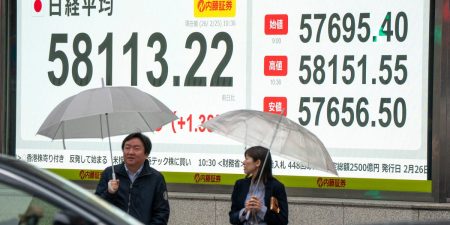




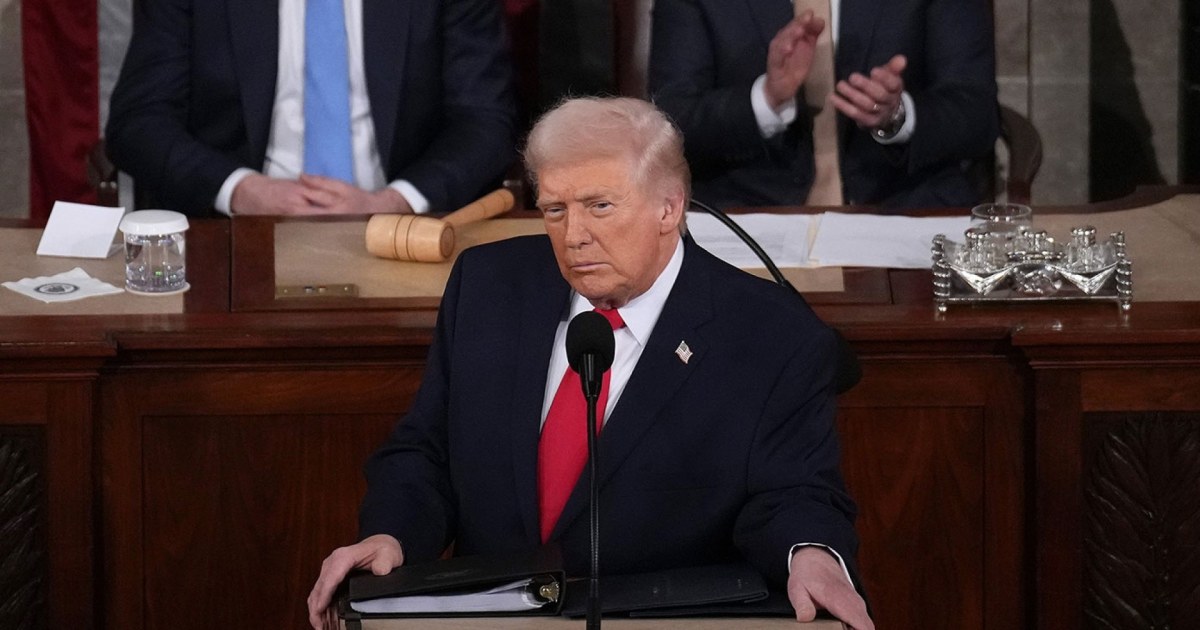
President Trump used his State of the Union address on February 25, 2026, to tout economic gains under his administration, highlighting efforts to combat inflation and citing stock market improvements since his 2024 reelection. During the speech delivered before a joint session of Congress, Trump emphasized lowering gas prices and reducing inflation as key achievements of his economic agenda.
The President’s State of the Union address covered a wide range of domestic and foreign policy issues. Trump characterized his administration’s approach as focused on affordability for American families, though analysts noted the speech offered limited specific details on how certain economic goals would be achieved.
Economic Claims in Trump State of the Union
According to the administration, the stock market has posted gains following Trump’s return to office. The president attributed recent economic improvements to his policies, while criticizing previous congressional spending decisions for contributing to inflationary pressures. Trump directly addressed lawmakers during his remarks, telling some members of Congress they had caused inflation problems through their votes.
Additionally, Trump discussed prescription drug pricing during his economic remarks, making a joke about how successful his policies have been, suggesting they warranted a third presidential term. The president also called on Congress to pass the Stop Insider Trading Act without delay, seeking bipartisan support for the measure.
Supreme Court Setback and Tariff Policy
However, the president faced a recent legal setback when the Supreme Court struck down certain tariffs his administration had imposed. Trump called the court’s ruling “unfortunate” during his State of the Union remarks, but did not provide extensive details on how the administration would respond to the decision.
Meanwhile, Treasury Secretary Bessent responded to questions about the State of the Union address in a subsequent interview. The administration’s economic messaging focused heavily on contrasting current conditions with those that existed prior to Trump’s reelection.
Immigration and Legislative Priorities
Immigration enforcement featured prominently in Trump’s speech, drawing both standing ovations and vocal opposition from lawmakers in the chamber. The president urged Congress to pass the “Dalilah Law,” which would impose tougher immigration verification requirements for commercial drivers and transportation workers. Trump also called for national voter identification laws and referenced the SAVE Act as a legislative priority.
In contrast to the economic and immigration discussions, foreign policy received significant attention. Trump made claims about Iran’s weapons capabilities, stating the country is working to develop missiles that could reach the United States. The president praised members of his administration, including Steve Witkoff, Jared Kushner, and Secretary of State Marco Rubio, for their work on negotiations involving Iran and Gaza.
Ceremonial Moments and Confrontations
The State of the Union address included several notable moments beyond policy announcements. Trump awarded the Medal of Honor to a military pilot involved in operations related to Venezuelan leader Nicolás Maduro. The president also honored Charlie Kirk, a conservative activist, and condemned political violence “of any kind.”
Additionally, tensions surfaced during the address when Representative Al Green was removed from the chamber for displaying a sign. The Texas congressman later defended his actions, stating that “Trump got the message.” The incident highlighted the partisan divisions evident throughout the evening.
Congressional response to the address remains divided, with Virginia Governor Abigail Spanberger stating in a post-speech interview that Trump “didn’t tell the truth” during his remarks. The administration has not yet specified timelines for when it expects Congress to act on the legislative priorities outlined in the State of the Union address.