




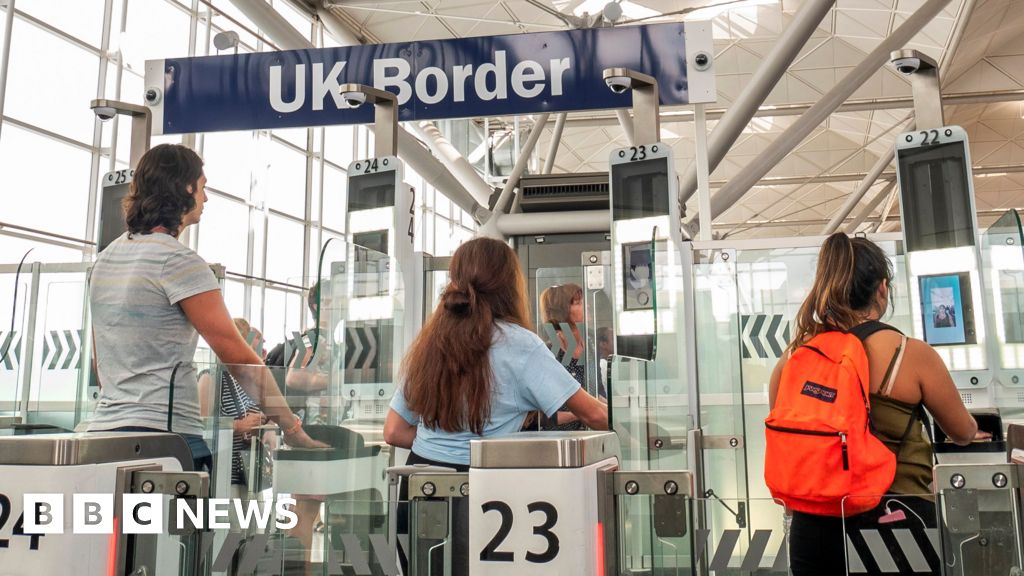
The United Kingdom has begun enforcing new travel requirements under its Electronic Travel Authorisation (ETA) system, affecting dual nationals and visitors from dozens of countries. As of April 2, 2025, British dual citizens who hold passports from non-exempt nations must present their UK passport when entering Britain or risk being denied entry, according to the Home Office. The policy change has raised concerns among travelers who may be unaware of the stricter documentation requirements now in effect.
The Home Office confirmed that dual nationals traveling on non-British passports from countries requiring an ETA will be refused entry at the border. This applies even to individuals who hold British citizenship but choose to travel using their other passport. The new rules represent a significant shift in how dual citizens can access the country.
Understanding the Electronic Travel Authorisation System
The ETA system requires visitors from approximately 50 countries to obtain digital permission before traveling to the UK. Travelers must apply online, pay a fee, and receive approval before departure. However, British citizens are exempt from needing an ETA when they use their UK passport.
Additionally, the system mirrors programs in other countries such as the United States ESTA and Australia’s ETA. The UK government has described the initiative as part of efforts to digitize border controls and enhance security screening of incoming travelers.
Impact on Dual Nationals
The policy has particularly significant implications for dual nationals from countries including Australia, Canada, and the United States, according to media reports. Many dual citizens routinely travel using passports from these countries rather than their British documents. Meanwhile, some travelers may not possess current UK passports or may be unaware they need to use them specifically.
The Guardian reported that the Home Office has affirmed British dual nationals risk imminent refusal of travel to the UK if they attempt entry without presenting British documentation. Border officials have been instructed to enforce the rules strictly, with limited discretion for exceptions.
Why the New Travel Requirements Were Introduced
British authorities introduced the Electronic Travel Authorisation program to modernize immigration controls and create a more comprehensive record of who enters the country. The system allows the government to conduct advance security checks on visitors before they board flights to the UK. In contrast to previous arrangements, which allowed visa-free travelers to arrive without prior authorization, the ETA creates a digital record linked to each traveler’s passport.
However, the specific rule requiring dual nationals to use British passports reflects legal interpretations of citizenship obligations. The Home Office maintains that British citizens should identify themselves as such when crossing UK borders, regardless of other nationalities they may hold.
Concerns and Confusion
Travel advocates and dual citizens have expressed frustration about the lack of clear communication regarding these requirements. According to the BBC, many affected travelers only learned about the passport restriction shortly before the implementation date. Some dual nationals discovered the requirement while attempting to check in for flights or while applying for ETAs online.
Furthermore, individuals who do not maintain current UK passports face potential delays in renewing documentation before planned trips. Passport processing times can extend several weeks, potentially disrupting travel plans for those caught unaware by the new Electronic Travel Authorisation rules.
Authorities have not indicated any plans to create grace periods or temporary exemptions for dual nationals who may be unfamiliar with the requirements. Travelers are advised to verify their documentation well in advance of any planned UK travel to ensure compliance with the current entry rules.