



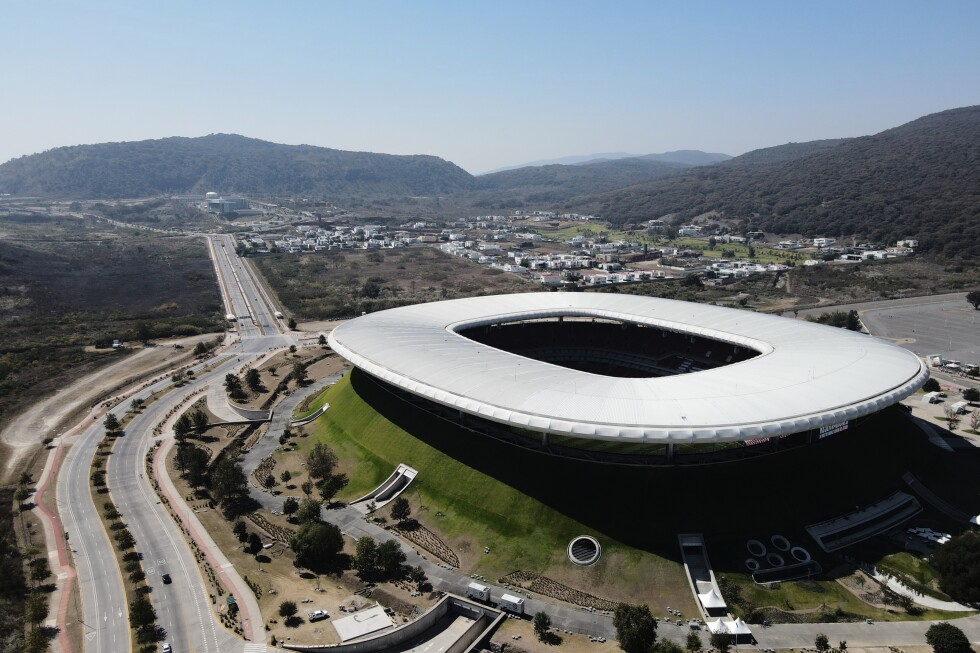
Residents of Guadalajara, Mexico are raising serious concerns about their city hosting FIFA World Cup games after a surge of cartel violence erupted following the killing of the country’s most powerful drug lord. Restaurant owner Hugo Alejandro Pérez experienced gunfire and explosions just outside his home, located only miles from the stadium slated to host World Cup matches in June 2026.
The violence followed the Mexican military’s killing of Jalisco New Generation Cartel leader Nemesio Oseguera Cervantes, known as “El Mencho,” on Sunday. According to the government, the operation and subsequent clashes resulted in 70 deaths as cartel gunmen set fire to vehicles blocking streets across Jalisco state and other regions.
Government Promises Safety for World Cup Despite Cartel Violence
President Claudia Sheinbaum addressed concerns during her daily news briefing, offering “every guarantee” that the World Cup would proceed safely in Mexico. She stated there was “no risk” for fans attending the tournament, which is being hosted jointly by Mexico, the United States, and Canada.
Jalisco Governor Jesús Pablo Lemus confirmed he had spoken with FIFA officials who have “absolutely no intention of removing any venues from Mexico.” However, the Portuguese soccer federation announced it was “closely monitoring the delicate situation” ahead of a scheduled friendly match against Mexico on March 28.
The state of Jalisco has faced intense scrutiny due to ongoing cartel violence, including the discovery of a cartel killing site last March and a crisis of disappearances. Additionally, Guadalajara serves as the central hub for the Jalisco New Generation Cartel, one of Mexico’s fastest-growing criminal networks.
Local Residents Question World Cup Readiness
Many Guadalajara residents remain skeptical about the city’s capacity to host the international sporting event. Pérez questioned the government’s priorities, noting failures to address basic services like water while cartel violence persists in surrounding areas.
The 53-year-old sheltered people fleeing gunfire during Sunday’s violence, which lasted approximately one hour near his neighborhood. Despite being just a 10-minute drive from the stadium, he doubts local businesses in working-class neighborhoods will benefit from the World Cup’s projected $3 billion economic impact in Mexico, according to the Mexican Soccer Federation.
Security experts warn that the killing of major cartel leaders often triggers internal power struggles and territorial conflicts between rival groups. Vanda Felbab-Brown from the Brookings Institution noted that without a clear line of succession within CJNG, the region could face significant fighting and cartel fragmentation.
Mixed Reactions from Guadalajara Community
While some residents expressed alarm, others downplayed the violence. Juan Carlos Pila, a 55-year-old taxi driver, suggested social media and local news outlets exaggerated the situation’s severity. By Tuesday, the city had largely returned to normal operations with businesses reopening and heavy police presence throughout the streets.
However, business owners in tourist areas like Tapalpa, where El Mencho was killed, worry about long-term impacts. Maria Dolores Aguirre, who runs a family store that has operated for over 50 years, fears the violence will deter tourists and damage her livelihood.
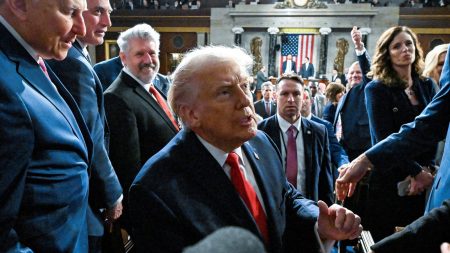
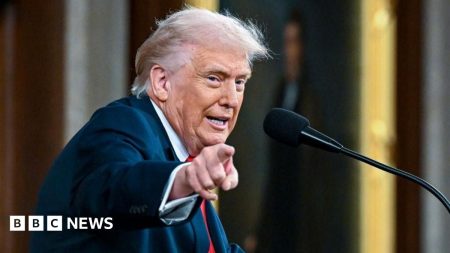
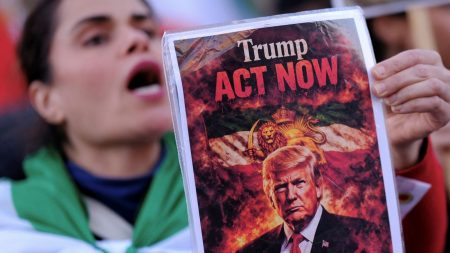
The White House confirmed the United States provided intelligence support for the operation that killed the cartel leader. President Donald Trump briefly referenced the operation during his State of the Union address, calling it a takedown of “one of the most sinister cartel kingpins of all.”
FIFA and Mexican officials continue to assert that all three Mexican host cities, including Guadalajara, will proceed with scheduled World Cup matches beginning with the opening game at Azteca Stadium in Mexico City on June 11. Whether security concerns will prompt venue changes or additional protective measures remains to be seen as the tournament approaches.