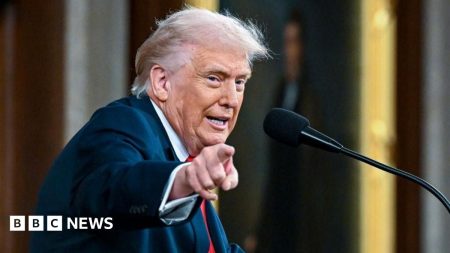




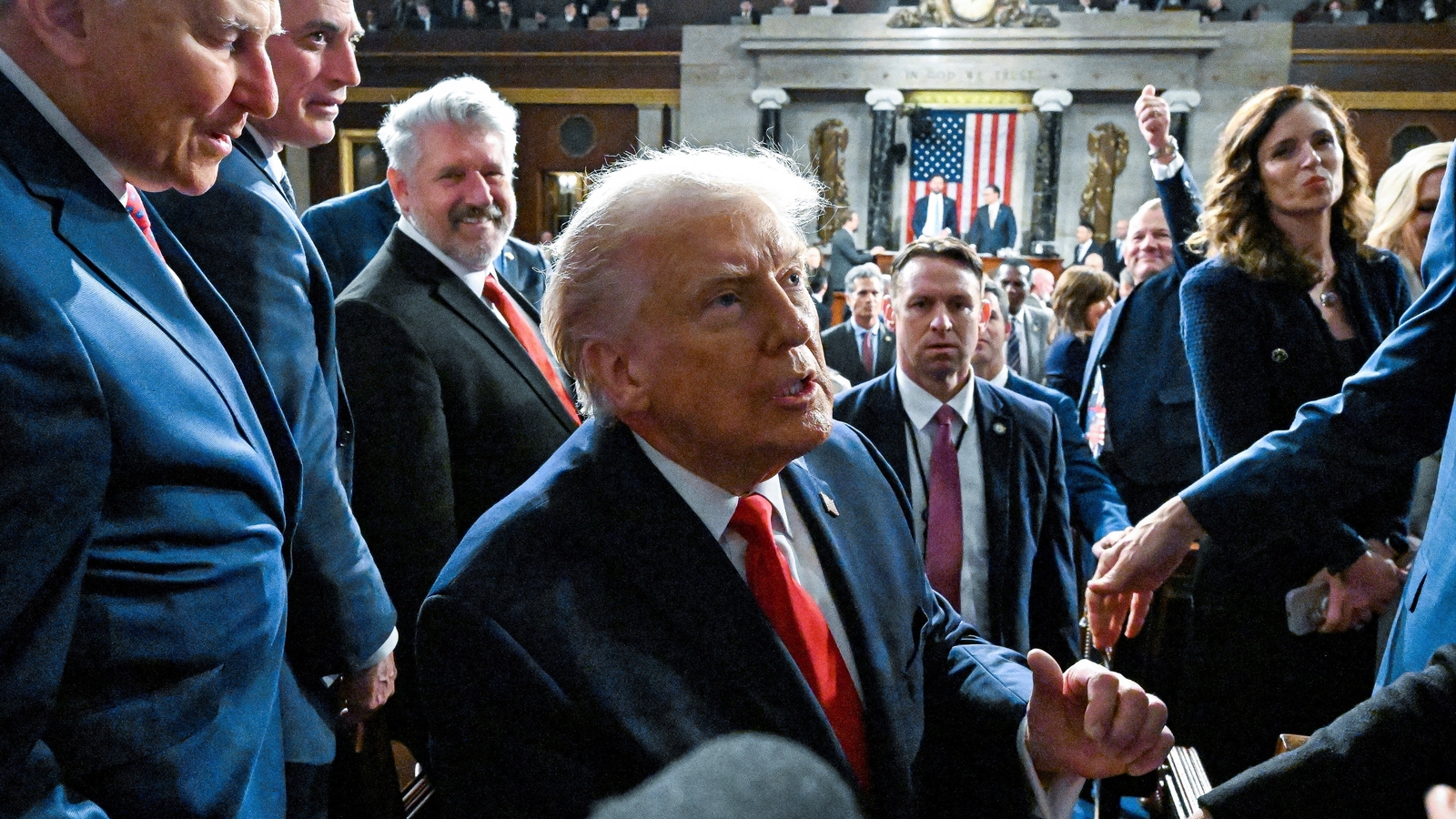
US President Donald Trump addressed Iran-US tensions during his State of the Union speech to Congress on Tuesday, stating his preference to resolve the nuclear standoff through diplomatic channels while firmly declaring he cannot allow Iran to possess nuclear weapons. Trump’s address comes as Tehran and Washington prepare for another crucial round of negotiations in Geneva on Thursday, February 26, with two US aircraft carriers deployed to the Middle East amid escalating regional tensions.
During the address, Trump labeled Iran as the “world’s number one sponsor of terrorism” and referenced Operation Midnight Hammer, US airstrikes that he claimed “obliterated Iran’s nuclear weapons programme.” According to Trump, Iran was warned against rebuilding its weapons program but continues pursuing what he described as “sinister nuclear ambitions.”
Iran-US Nuclear Negotiations Continue Despite Stalemate
The Iran-US tensions have intensified as both nations prepare for what may be a final opportunity to reach a diplomatic agreement. Trump told Congress that negotiations are ongoing and that Iran “desperately wants a deal,” though he noted that Tehran has not committed to the key phrase: “We will never have a nuclear weapon.”
Iranian Foreign Minister Abbas Araghchi struck a more optimistic tone ahead of the Geneva talks. “We have a historic opportunity to strike an unprecedented agreement that addresses mutual concerns and achieves mutual interests. A deal is within reach, but only if diplomacy is given priority,” Araghchi wrote on X, according to reports.
Military Posture and Diplomatic Warnings
However, the diplomatic outreach is accompanied by significant military buildup. The United States has assembled what sources describe as its greatest military firepower in decades in the Middle East, with two aircraft carriers stationed in the region as negotiations proceed.
Trump made additional claims during his address, stating that Iran killed 32,000 people following protests in December 2025 and asserting that Iran is developing missiles capable of reaching the United States. “They’ve already developed missiles that can threaten Europe and our bases overseas, and they’re working to build missiles that will soon reach the United States of America,” Trump said, according to the address excerpts.
US Officials Issue Stern Warnings
Additionally, US Senator Dave McCormick told CNBC on Tuesday that President Trump has issued an ultimatum to Iran and could resort to additional military force if Tehran fails to respond appropriately. “Iran has blood on its hands, American blood, Israeli blood. It’s threatened to destroy America with nuclear capability,” McCormick said, adding that Trump is likely to use additional military capability if Iran does not act as “a good actor.”
Meanwhile, US Secretary of Defense Pete Hegseth echoed similar sentiments, stating that Iran “would be wise” to make a deal and that such an outcome is what President Trump would prefer. Trump himself had warned of a “very bad day” for Iran if negotiations fail to produce an agreement.
International Stakes and Regional Concerns
The Iran nuclear negotiations carry significant implications for Middle East stability and global security. Both nations have emphasized their preference for a diplomatic solution, yet fundamental disagreements over Iran’s nuclear program remain unresolved. The deployment of substantial US military assets to the region underscores the serious nature of the standoff.
In contrast to the heightened military posture, both sides have maintained diplomatic channels remain open. Trump’s State of the Union address, which broke records by exceeding one hour and 41 minutes, dedicated substantial attention to foreign policy achievements while framing the Iran situation as both a challenge and an opportunity for negotiated resolution.
The upcoming Geneva talks on Thursday represent a critical juncture in Iran-US relations, with both nations facing pressure to reach agreement while maintaining their core positions. The outcome of these negotiations will determine whether the current tensions escalate further or whether diplomacy can prevent potential military confrontation in the region.