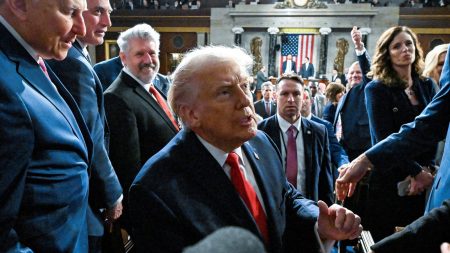




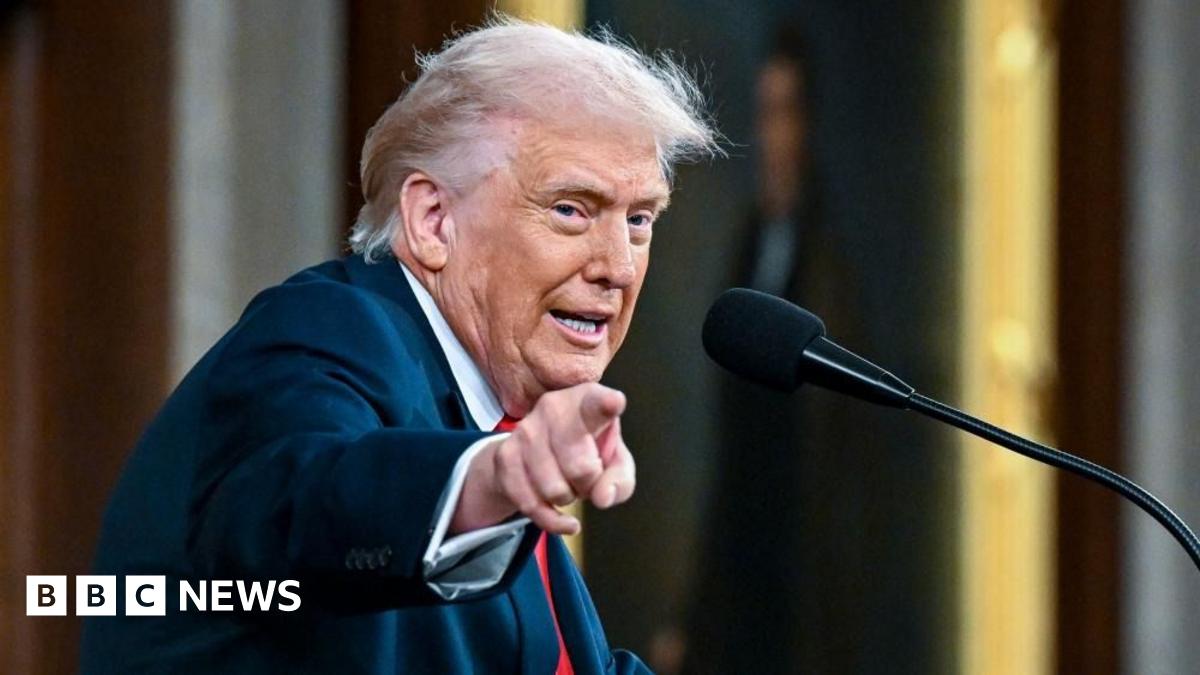
President Donald Trump recently highlighted declining mortgage rates during a public address, claiming they have reached their lowest point in four years and are “falling fast.” According to data from Freddie Mac, the average rate on the popular 30-year mortgage dropped to 6.01% last week, marking its lowest level since early 2021. However, economists caution that the reasons behind this mortgage rate decline are multifaceted and cannot be primarily attributed to administration policies.
The recent easing in mortgage rates reflects broader market dynamics rather than direct policy interventions. Treasury bond yields, which mortgage rates closely follow, have declined as investors grow increasingly concerned about economic uncertainty stemming from ongoing trade tensions. These market anxieties have driven capital toward safer investments, pushing bond yields downward and consequently lowering borrowing costs for homebuyers.
Complex Factors Behind Mortgage Rate Movements
While the administration has taken credit for the favorable trend, financial experts emphasize that multiple forces are at play. The decline in mortgage rates primarily results from investor behavior in response to global economic conditions and trade policy concerns. When government bond yields fall due to safe-haven demand, mortgage lenders typically adjust their rates accordingly to remain competitive in the market.
Additionally, the Federal Reserve’s monetary policy stance continues to influence long-term interest rates across the economy. Though the central bank does not directly set mortgage rates, its decisions regarding federal funds rates and economic outlook assessments shape investor expectations and market conditions that ultimately affect home loan pricing.
Government Intervention in Mortgage Markets
The Trump administration has directed government-backed housing finance firms to purchase approximately $200 billion worth of mortgage bonds in an effort to further reduce mortgage rates for American homebuyers. This intervention represents a significant attempt to influence the housing market through direct federal action. However, housing economists have expressed skepticism about the long-term effectiveness of such bond-buying programs.
According to industry experts, these mortgage bond purchases may provide only limited relief to borrowers over time. The secondary effects of large-scale government intervention in mortgage markets remain uncertain, and the impact on actual consumer borrowing costs could be modest compared to broader economic forces driving rate movements.
Uncertainty Surrounds Future Mortgage Rate Trajectory
Despite the recent downward trend, forecasting future mortgage rate movements remains challenging for analysts and economists. The interplay between trade policy developments, inflation expectations, and Federal Reserve actions creates a complex environment for interest rate predictions. Meanwhile, ongoing volatility in global financial markets adds another layer of uncertainty to the outlook for home loan costs.
The sustainability of current low mortgage rates depends heavily on factors beyond presidential influence. In contrast to claims of policy-driven success, market observers point to economic headwinds and investor risk aversion as the primary catalysts for declining borrowing costs. These fundamental economic conditions will likely determine whether rates continue falling or reverse course in coming months.
Market analysts will continue monitoring Treasury yields, Federal Reserve communications, and trade policy developments to assess the future direction of mortgage rates. The effectiveness of government bond-buying programs and their ability to maintain downward pressure on borrowing costs remains to be demonstrated through actual market performance data in the months ahead.