



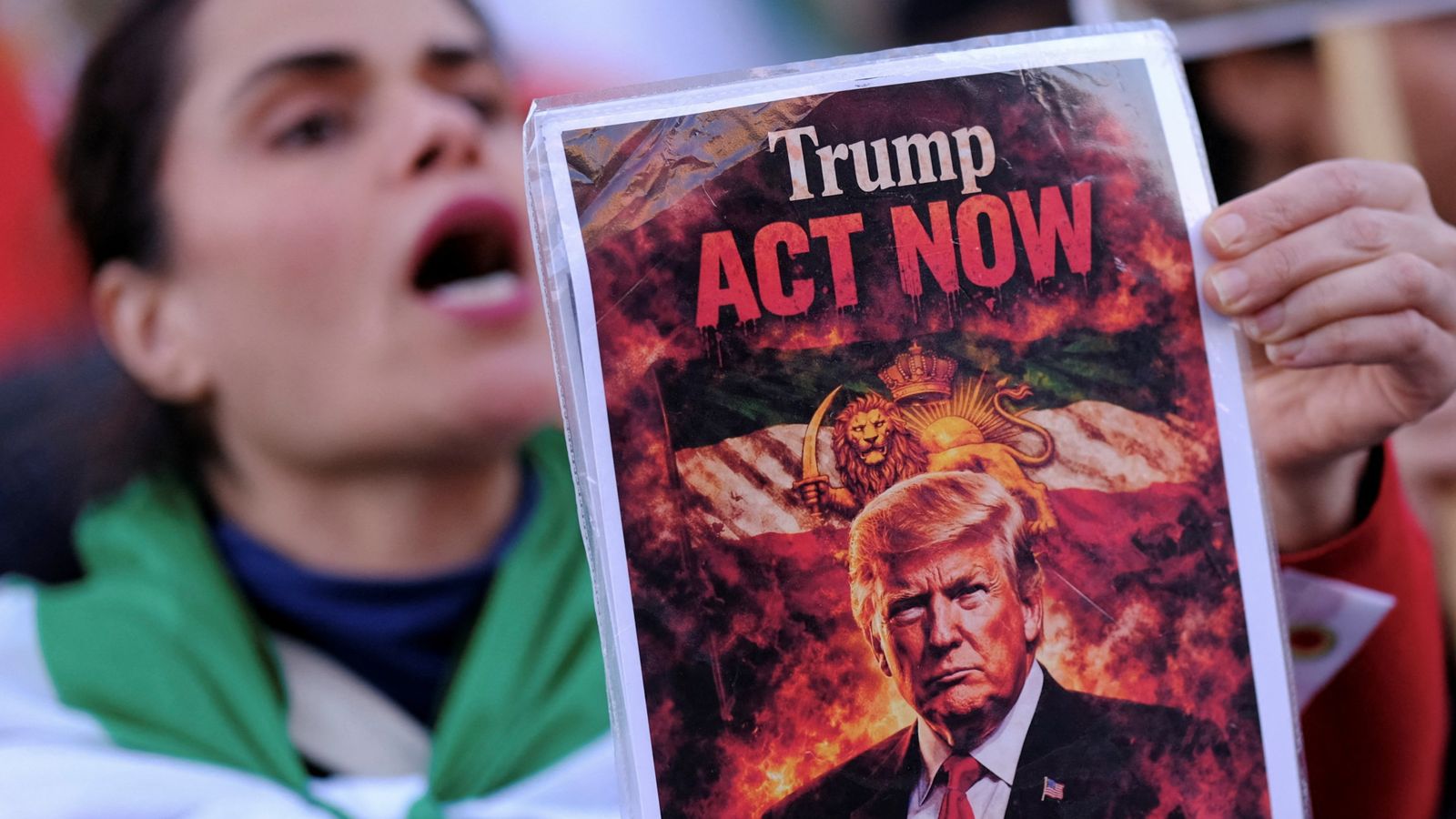
As tensions between the United States and Iran reach a critical juncture, questions are mounting over whether President Donald Trump’s military strategy has left him with limited options for resolving the escalating crisis. The US-Iran military standoff has intensified in recent weeks as American forces amass in the region, yet Tehran remains defiant despite repeated warnings from Washington to negotiate or face potential consequences.
President Trump has deployed massive American firepower to the Middle East, including two carrier strike groups and additional warplanes at regional bases. His chief negotiator, Steve Witkoff, acknowledged the president’s puzzlement over Iran’s refusal to yield under this military pressure, stating that Trump is “curious as to why they haven’t capitulated” despite the significant naval presence.
Limited Options in the US-Iran Military Standoff
The administration now faces three primary scenarios, each carrying substantial risks. The first option involves calibrated military strikes against Iranian targets to force negotiations. However, experts warn this approach could backfire, as Iran’s government may choose to endure limited strikes rather than submit to American demands.
Additionally, the Iranian regime currently faces domestic pressure but appears willing to weather short-term military action. According to defense analysts, such strikes might not achieve the desired diplomatic outcome and could instead strengthen Tehran’s resolve to resist what it views as foreign coercion.
Full-Scale Military Campaign Faces Constraints
A second option would authorize comprehensive air strikes against Iran using maximum force. Nevertheless, Pentagon officials have privately cautioned that current military assets in the region could sustain intensive operations for only one to two weeks at most. These assessments, leaked to media outlets, have reportedly angered the president who views them as undermining his negotiating position.
Meanwhile, military experts emphasize that even a sustained bombing campaign might not compel Iranian surrender. Iran maintains a formidable ballistic missile arsenal capable of striking American forces and regional allies, raising the prospect of significant retaliation that could expand the conflict beyond Washington’s control.
Political Risks of Backing Down From Iran Confrontation
The third scenario presents perhaps the greatest political danger for Trump: withdrawing American forces without achieving concessions from Tehran. Having assembled such substantial military power and issued repeated ultimatums, retreating now could severely damage American credibility and the president’s domestic standing.
In contrast to his stated objectives, backing down would likely be perceived as weakness both internationally and among his political base. This scenario carries particular weight as Trump’s approval ratings have recently declined, making any appearance of diplomatic failure potentially costly for his administration.
However, the president’s team maintains that alternatives remain available. Witkoff insisted that Trump “understands that he’s got plenty of alternatives,” though the specific nature of these options remains unclear as diplomatic and military constraints narrow the range of viable actions.
High-Stakes Negotiations Loom
The immediate question centers on whether Trump’s maximum pressure strategy was adequately planned or whether the administration has created an untenable position. Iran has demonstrated considerable skill at brinkmanship throughout its history, often successfully calling what it perceives as adversaries’ bluffs in previous confrontations.
Scheduled talks in Geneva this week offer a potential diplomatic resolution to the crisis. These negotiations represent what may be Tehran’s final opportunity to accept American terms before military action becomes more likely, according to US officials familiar with the administration’s thinking.
The outcome of Thursday’s Geneva negotiations will likely determine whether the US-Iran military standoff escalates into open conflict or finds a diplomatic solution. If Iran maintains its current position and refuses to make concessions, the Trump administration will face the difficult choice between following through on military threats or accepting a significant diplomatic setback.