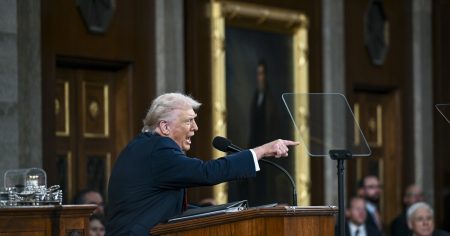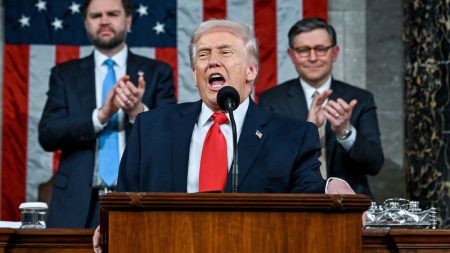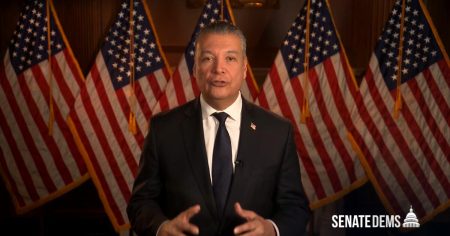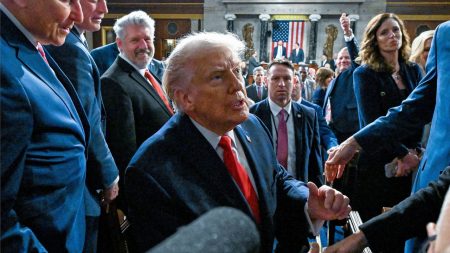




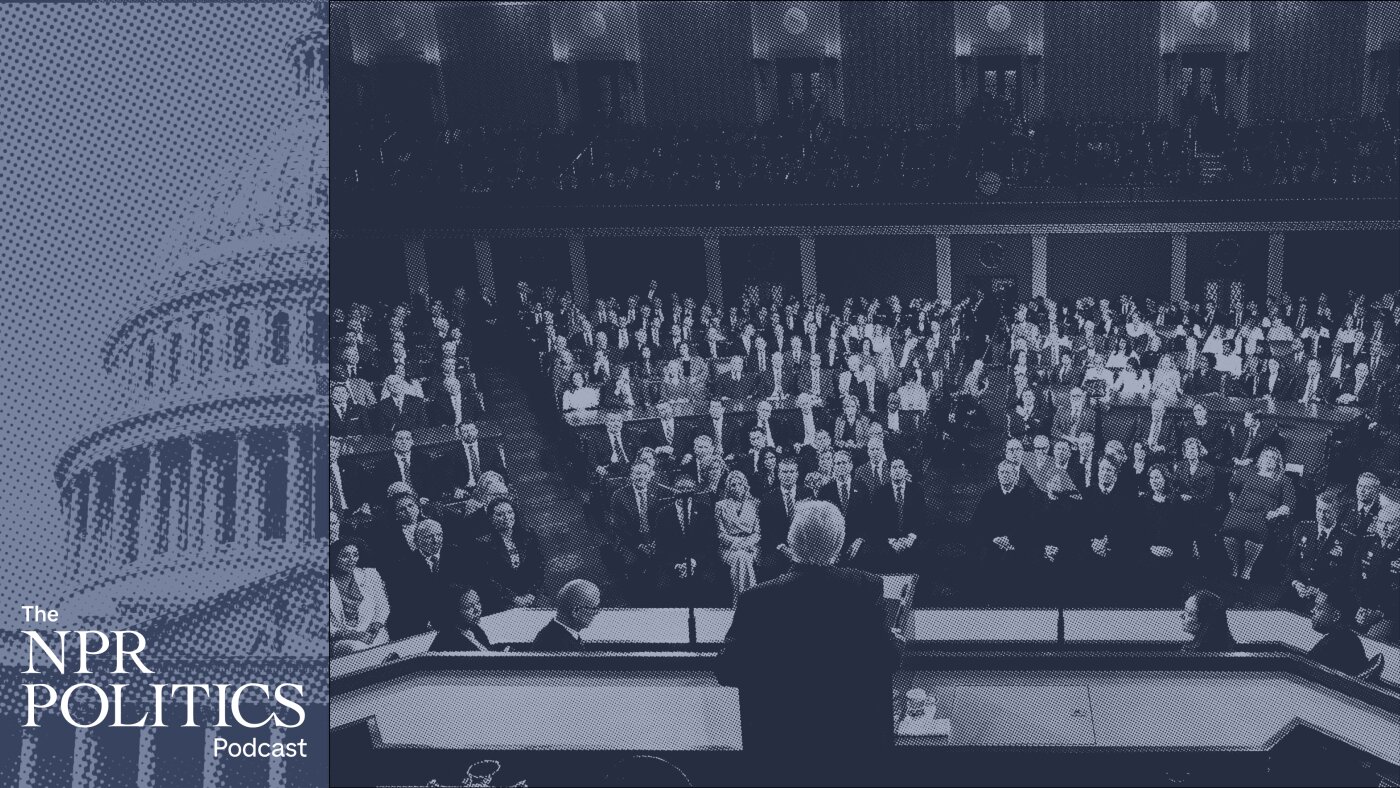
President Trump delivered his first State of the Union address of his second term on Tuesday night, outlining his administration’s priorities and political strategy ahead of the upcoming midterm elections. The speech, delivered before a joint session of Congress at the U.S. Capitol in Washington, focused on key policy objectives while setting the tone for Republican messaging through 2026.
The State of the Union address provided Trump with a prominent platform to communicate directly with the American public about his administration’s accomplishments and future goals. Democrats offered their response following the president’s remarks, presenting an alternative vision for the country’s direction.
Political Messaging in Trump State of the Union
According to analysis from political correspondents, the Trump State of the Union speech previewed the administration’s legislative and policy agenda leading into the critical midterm election cycle. The address comes at a pivotal moment as both parties prepare for competitive congressional races that could shift the balance of power in Washington.
The president used the prime-time address to emphasize themes expected to resonate with voters ahead of the midterms. Political analysts noted that the State of the Union messaging appeared carefully crafted to appeal to both the Republican base and moderate voters who could determine election outcomes.
Democratic Response and Opposition Strategy
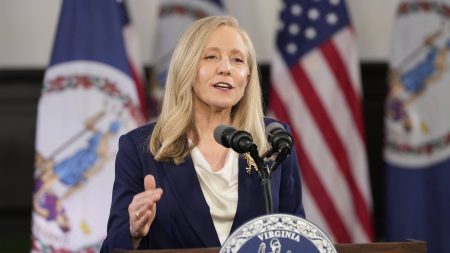
In contrast to the president’s vision, Democratic leaders delivered their official response challenging Trump’s characterization of his administration’s record. The opposition party sought to present alternative solutions to the issues raised during the State of the Union, establishing their own narrative for voters to consider.
Democrats face the challenge of unifying their message while responding to specific policy proposals outlined in Trump’s address. Party strategists recognize that their rebuttal to the State of the Union will help frame their approach to the midterm campaigns.
Policy Priorities and Legislative Goals
The State of the Union traditionally serves as a blueprint for an administration’s policy agenda in the coming year. Trump’s address outlined specific areas where the White House plans to focus its energy and political capital, according to observers who analyzed the speech.
Additionally, the address signaled which issues the administration believes will be most advantageous heading into the midterm election season. Political correspondents noted that the State of the Union priorities reflect both governing objectives and campaign strategy.
Implications for Midterm Elections
However, the effectiveness of the State of the Union message will ultimately be tested at the ballot box during the midterm elections. Historical patterns suggest that parties holding the White House often face challenges in maintaining congressional support during these contests.
Meanwhile, both parties will use the State of the Union address and responses as talking points in their respective campaign efforts. The themes introduced Tuesday night are expected to echo through political advertisements and candidate debates in the months ahead.
Political analysts suggest that voter reactions to the State of the Union proposals could influence congressional negotiations and legislative priorities. The address also provides insight into which issues party leaders believe will drive turnout among their supporters.
As the midterm campaign season intensifies, both parties will continue developing their messages based on the frameworks established during the State of the Union and Democratic response. The coming months will reveal whether the political strategies previewed Tuesday night resonate with voters in competitive districts and states across the country.