



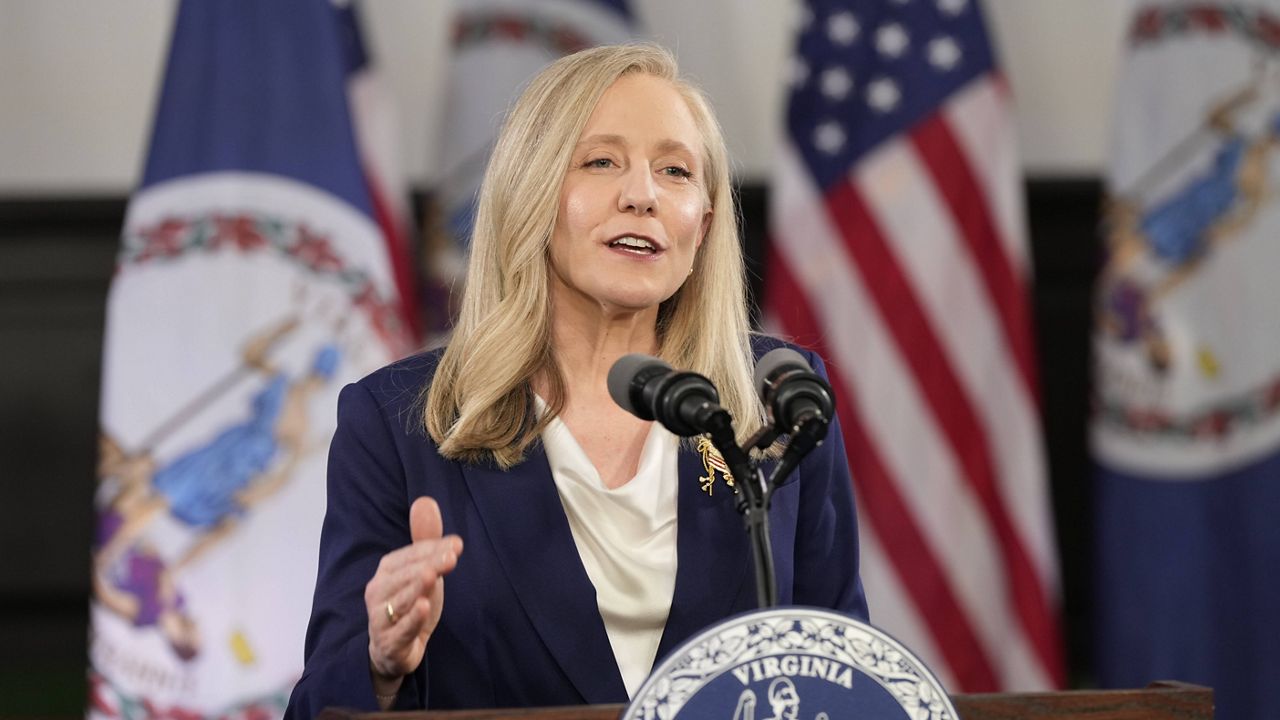
Virginia Governor Abigail Spanberger delivered a sharp Democratic response to President Donald Trump’s address, asserting that Americans “did not hear the truth” from the president. Speaking from Colonial Williamsburg, Spanberger challenged viewers to consider whether Trump is working on their behalf while criticizing his policies across multiple fronts. The Democratic response came as the first-term governor sought to counter what she characterized as misleading claims from the administration.
Spanberger, who assumed office as Virginia’s first female governor last month, accused Trump of lying and scapegoating without offering real solutions to the nation’s challenges. She focused her criticism on the economy, immigration, crime, foreign policy, and health care, with particular emphasis on affordability issues that helped propel her own election victory in 2025.
Democratic Response Targets Trump’s Economic Policies
The Virginia governor particularly criticized Trump’s tariff agenda and signature legislation, known as the “one big, beautiful bill,” for driving up consumer prices. According to Spanberger, the legislation threatens rural hospitals, strips health care coverage from millions of Americans, and increases costs in energy and housing while cutting food programs for children. She noted that Trump celebrated this law during his address despite its impact on everyday Americans.
Spanberger referenced a recent Supreme Court decision striking down Trump’s use of authority to impose sweeping tariffs. However, she emphasized that the “damage” to American families has already been done. In contrast, she asserted that Democrats remain “laser-focused” on affordability concerns that resonate with voters nationwide.
Affordability Emerges as Central Campaign Issue
The governor’s emphasis on economic concerns reflects her successful 2025 campaign strategy, which centered heavily on affordability issues. Additionally, New Jersey Democratic Governor Mikie Sherrill employed similar messaging in her own off-year victory, suggesting the issue has significant political traction. Meanwhile, recent polls indicate voters are expressing concerns about the economy under Trump’s leadership, even as the president claimed to have “won affordability,” a term he has also referred to as a “con job” and “hoax.”
During her campaign travels across Virginia, Spanberger said she heard the same pressing concern everywhere: costs are too high. This message appears to resonate beyond state lines as Democrats position themselves on economic issues heading into future electoral contests.
Immigration Enforcement Faces Democratic Criticism
Beyond economic policy, Spanberger sharply criticized Trump’s approach to immigration enforcement. She accused the administration of sending “poorly trained federal agents into our cities,” referencing the killing of two people in Minnesota by federal agents last month. The incident sparked fierce reaction nationwide and has become a focal point for Democratic opposition to Trump’s immigration policies.
Throughout her response, the governor repeatedly posed variations of a rhetorical question to Americans: “Is the president working for you?” According to Spanberger, the answer is clearly no, as she sought to frame Trump’s agenda as contrary to the interests of ordinary citizens.
Historical Setting Underscores Democratic Message
Spanberger delivered her speech from the historic House of Burgesses in Colonial Williamsburg, emphasizing the location’s significance to American democracy. She highlighted the upcoming 250th anniversary of the Declaration of Independence, which Trump also mentioned in his address. However, she used the occasion to reflect on founding values and to argue that current leadership represents a departure from them.
“This is not what our founders envisioned, not by a long shot,” Spanberger said, seeking to paint the president as a diversion from American democratic principles. The symbolic setting reinforced her broader argument about leadership accountability and national values.
As both parties continue to position themselves on key issues, the debate over economic policy and immigration enforcement is expected to remain central to political discourse. The effectiveness of Spanberger’s affordability-focused messaging may influence Democratic strategy in upcoming electoral contests, though the political landscape continues to evolve.