



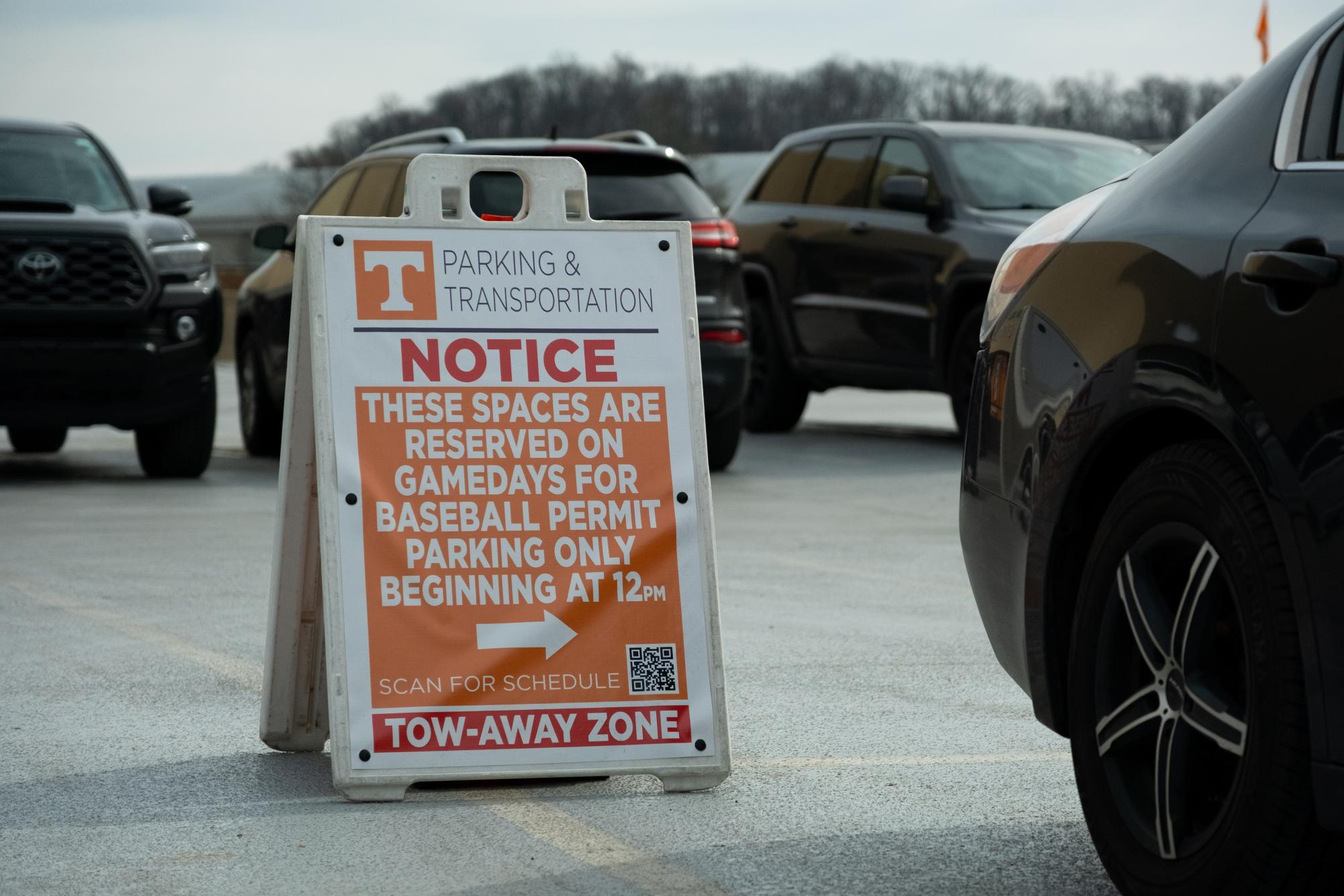
University of Tennessee, Knoxville students and faculty are facing significant campus parking challenges during basketball and baseball seasons, as game day traffic creates congestion and restricts access to regular parking areas. The issue primarily affects evening commuters and those working near athletic facilities, according to reports from the campus community. Campus parking congestion has become a recurring concern as both sports draw thousands of fans to the area throughout their respective seasons.
Allie Owens, a sports journalism senior at UT, noted that Neyland Drive is often shut down during home basketball games, blocking access to campus parking areas. The agriculture campus serves as a park-and-ride facility during events, while parking lots near stadiums convert to pay-to-park options regardless of existing permit status.
Game Day Parking Policies Affect Faculty and Students
Faculty members who pay annual parking fees ranging from $264.60 to $661.56 must pay additional fees to park in their assigned lots during game days, according to university parking information. Shannon Scovel, an assistant professor of sports communication, explained that regular parking permits do not work during game times. She now arranges alternative transportation when games coincide with her campus schedule.
Additionally, the University of Tennessee stated that on evenings with special events, several lots are reserved exclusively for student parking, with locations viewable on the interactive campus map. However, this system has created complications for those who need campus access for non-athletic purposes.
Traffic Congestion Impacts Daily Routines
The campus parking challenges extend beyond lot availability to significant traffic delays on surrounding roads. Members of the VolWake wakeboarding team, which practices from 4:30 to 7:30 p.m. five days weekly, regularly encounter delays when leaving Volunteer Landing Marina via Neyland Drive. Meanwhile, both lanes are often shut down to accommodate departing game attendees, creating extended wait times for other road users.
According to Owens, what normally constitutes a short drive can take double the usual time due to game day traffic management. The delays particularly affect students with tight schedules who lose valuable study time sitting in traffic.
Campus Design Creates Additional Complications
Like many large state university campuses, UT was designed with pedestrian traffic as the priority, leaving vehicle traffic flow as a secondary consideration. This design philosophy works adequately for daily operations but becomes problematic during major athletic events. However, the infrastructure limitations become apparent when thousands of additional vehicles arrive simultaneously.
In contrast to faculty who can adjust their schedules, freshman students living on campus face difficulties returning to their dormitories after basketball games end. The pedestrian-focused layout that serves students well during normal operations becomes a hindrance when combined with game day vehicle restrictions.
Community Response to Campus Parking Challenges
Owens expressed frustration that transportation decisions affecting game day parking fail to account for people in the area who are not attending athletic events. She suggested the university needs a more efficient system for managing Neyland Drive traffic during peak times.
Nevertheless, Scovel acknowledged that parking management staff face an enormous challenge with limited resources and campus infrastructure constraints. She noted that personnel are visible and direct traffic clearly, though they cannot compromise on their assigned responsibilities during events.
The university has not announced any planned changes to its game day parking and traffic management system. As basketball season continues through March and baseball season extends into May, the campus community will continue navigating these recurring parking challenges during home games.